School meals bring children back to class in the Central African Republic
More than 250,000 children eat at school in 335 schools. In one village enrolment has nearly doubled, and the food is bought from local farmers.
Lire cet article en français →
PANM — In the Central African Republic, a hot meal at school is shaping children's futures. Most children there do not get enough to eat at home, and the school lunch now structures their day, Africanews reports.
The programme
- More than 250,000 children receive meals in 335 schools across the country, according to the World Food Programme.
- At the school in Gbako-Malekpa village, the principal, Ghislain Modeste Ngame, says enrolment has risen from 475 pupils before the canteen opened to 857 today.
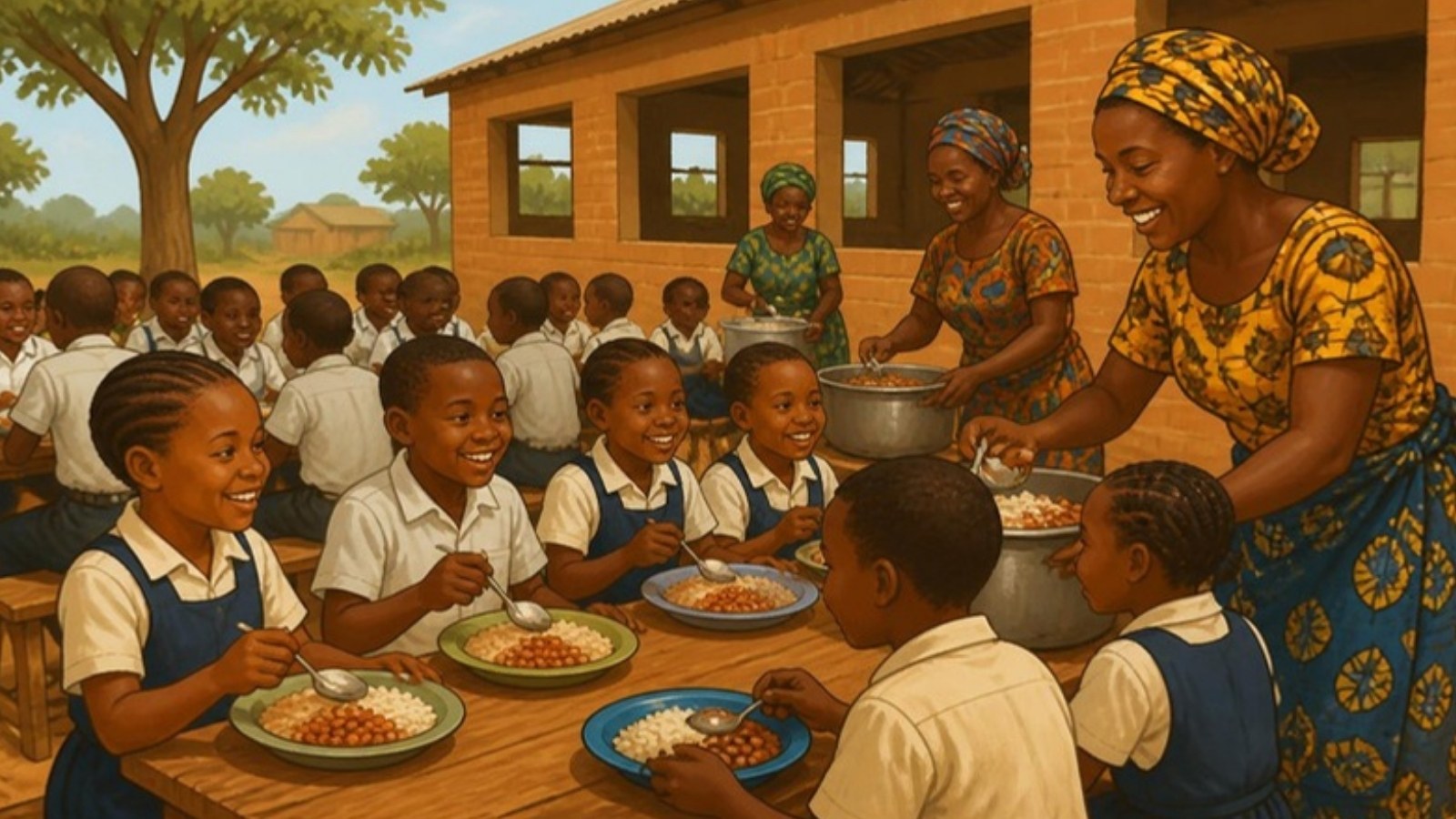
- In Betokomia, in the north-west, pupils queue for rice, beans and vegetables cooked by their mothers.
Food from the farm next door
In Paoua, the WFP supports farmers with their crops and with storing their harvests, and part of what they grow feeds the schools, giving them a market. The agency says its purchases from small local producers, including for school meals, have risen by more than 500% in five years.
Daily meals give children the energy to learn and remember their lessons, said Mark Gordon, the WFP's country director for the Central African Republic, calling the programme an investment in the children's future and the country's.
What remains
The government and the WFP see the canteens as a way to rebuild an education system damaged by conflict, poverty and a shortage of teachers. The challenge now is to make school meals sustainable, reach more children and strengthen local food supply chains. Nearly two million people in the country face food insecurity.
The WFP's acting executive director, Carl Skau, ended a four-day visit to the country with a call for more international commitment to its peace and development.
Source: Africanews, with reporting by Serge Koffi, 15 October 2026.