Climate
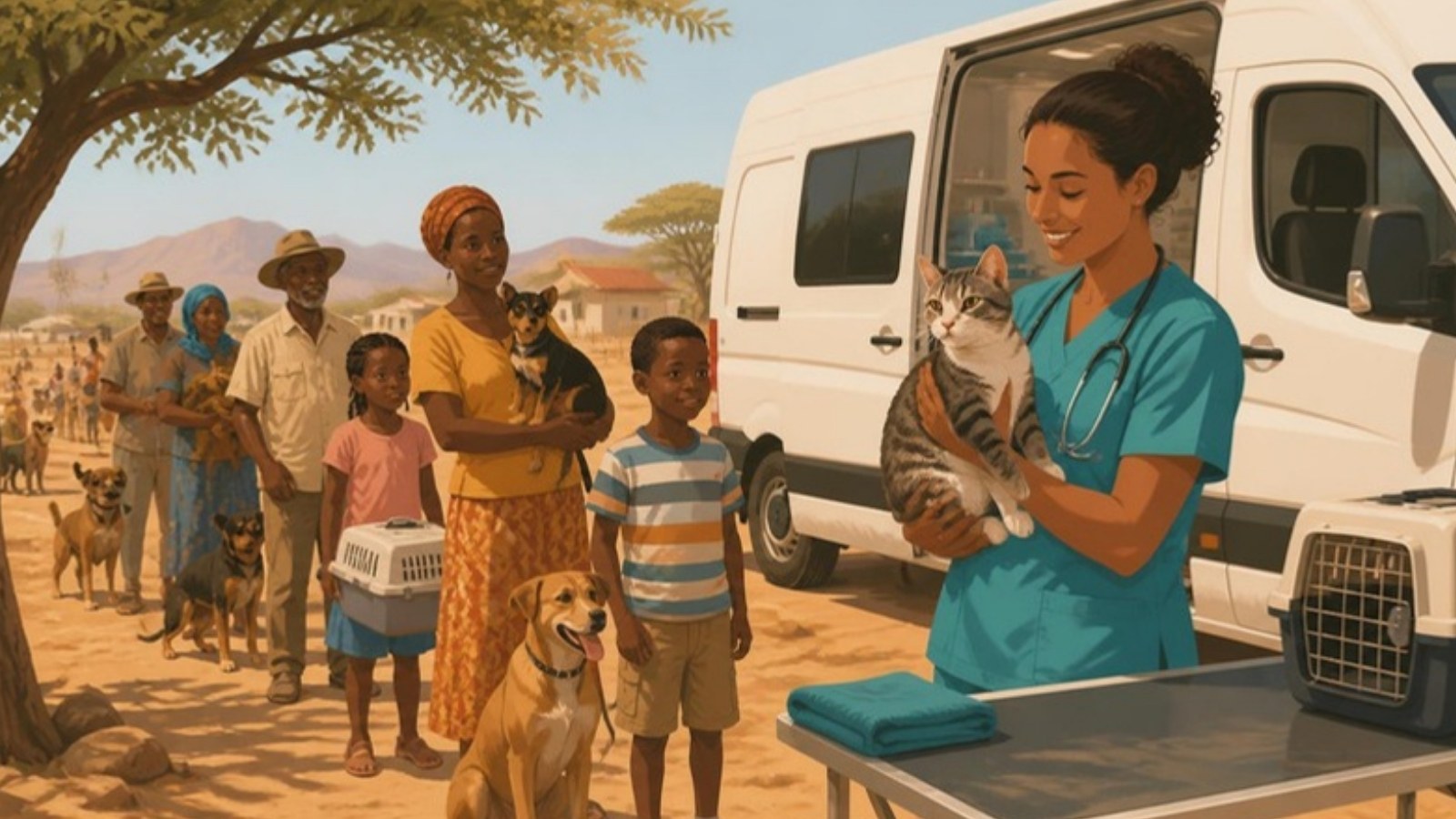
A Namibian charity has sterilised 30,000 pets for owners who cannot pay
Have a Heart has no paid staff and works with local vets. In September alone it treated more than 800 feral cats, including 300 in Oshana.
Section
Energy, land, water and the frontline communities shaping Africa's response to a changing planet.
Have a Heart has no paid staff and works with local vets. In September alone it treated more than 800 feral cats, including 300 in Oshana.
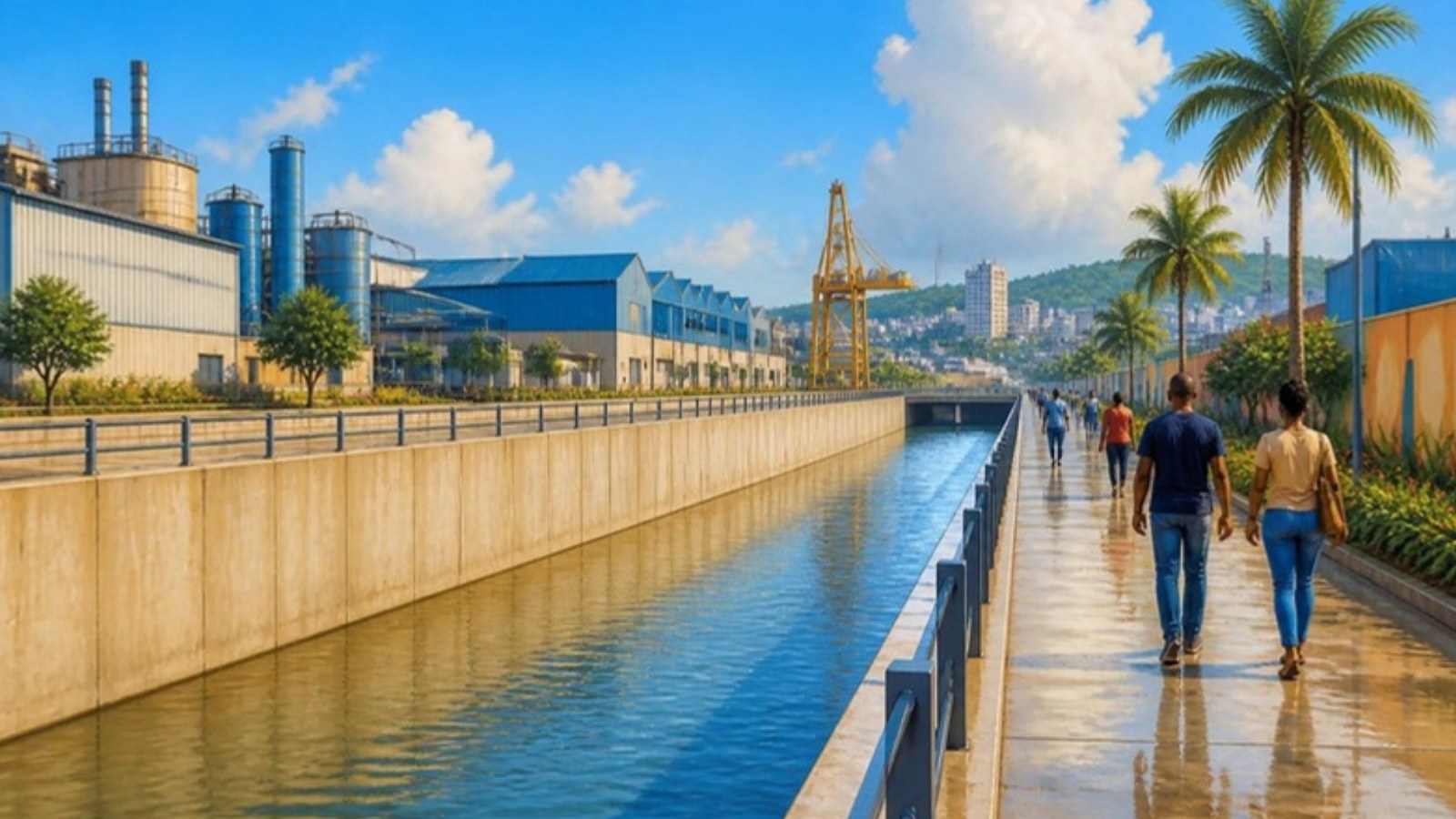
A rebuilt canal, a new sea outfall and a sports field that doubles as a flood basin are meant to protect Prospecton, one of the country's manufacturing hubs.
Recyclers could get licences in 90 days, and producers' recycling bodies may have to put 40% of their fees into infrastructure. Fifty-six recycling firms have already had R200m of support.
On International E-Waste Day, the government urged households to recycle small electronics. The country produces more than 360,000 tonnes of e-waste a year and recycles about a tenth.
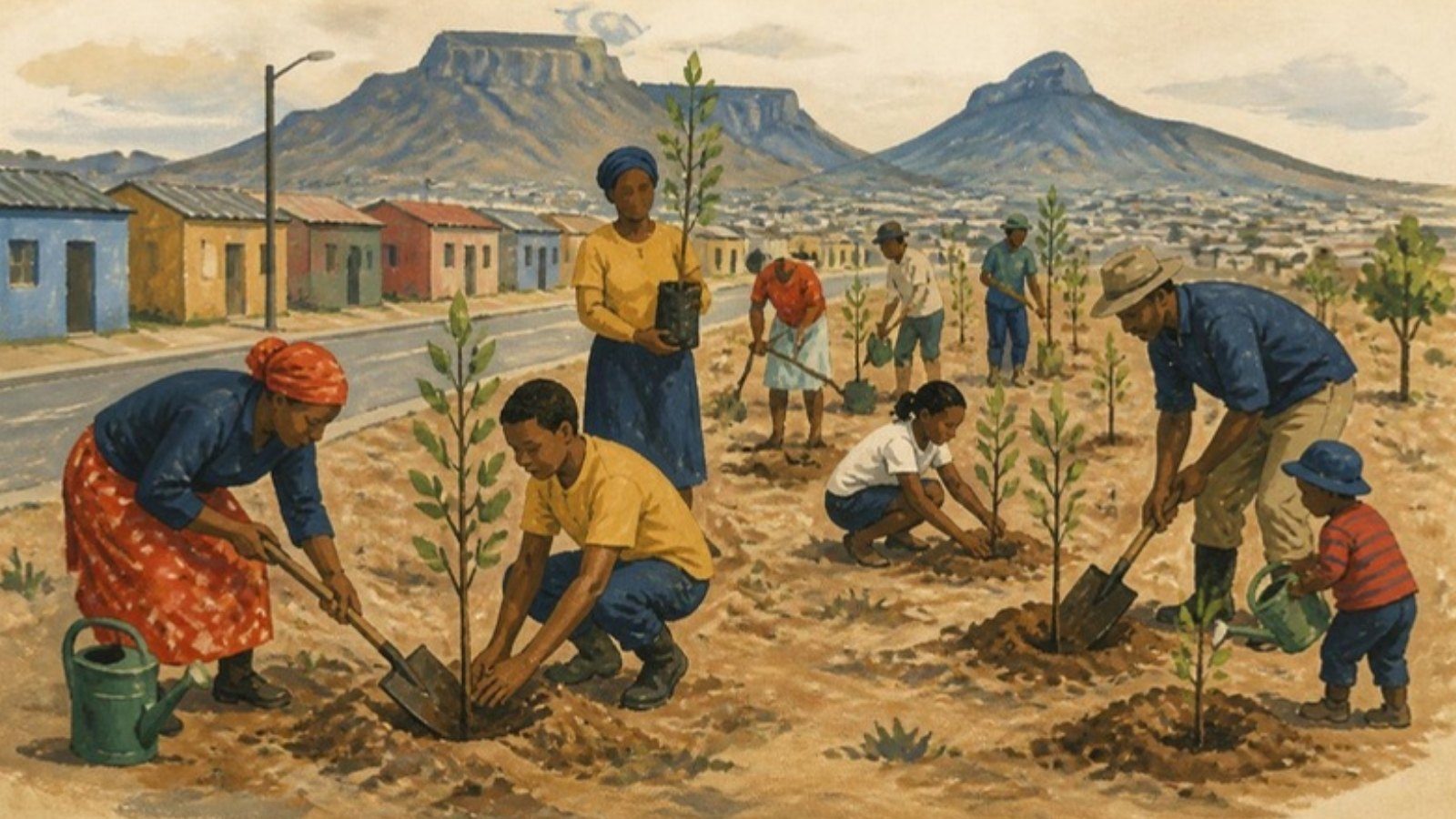
The government says 7.1 million trees have gone into the ground since April, against a goal of one billion. The Western Cape has planted the most.
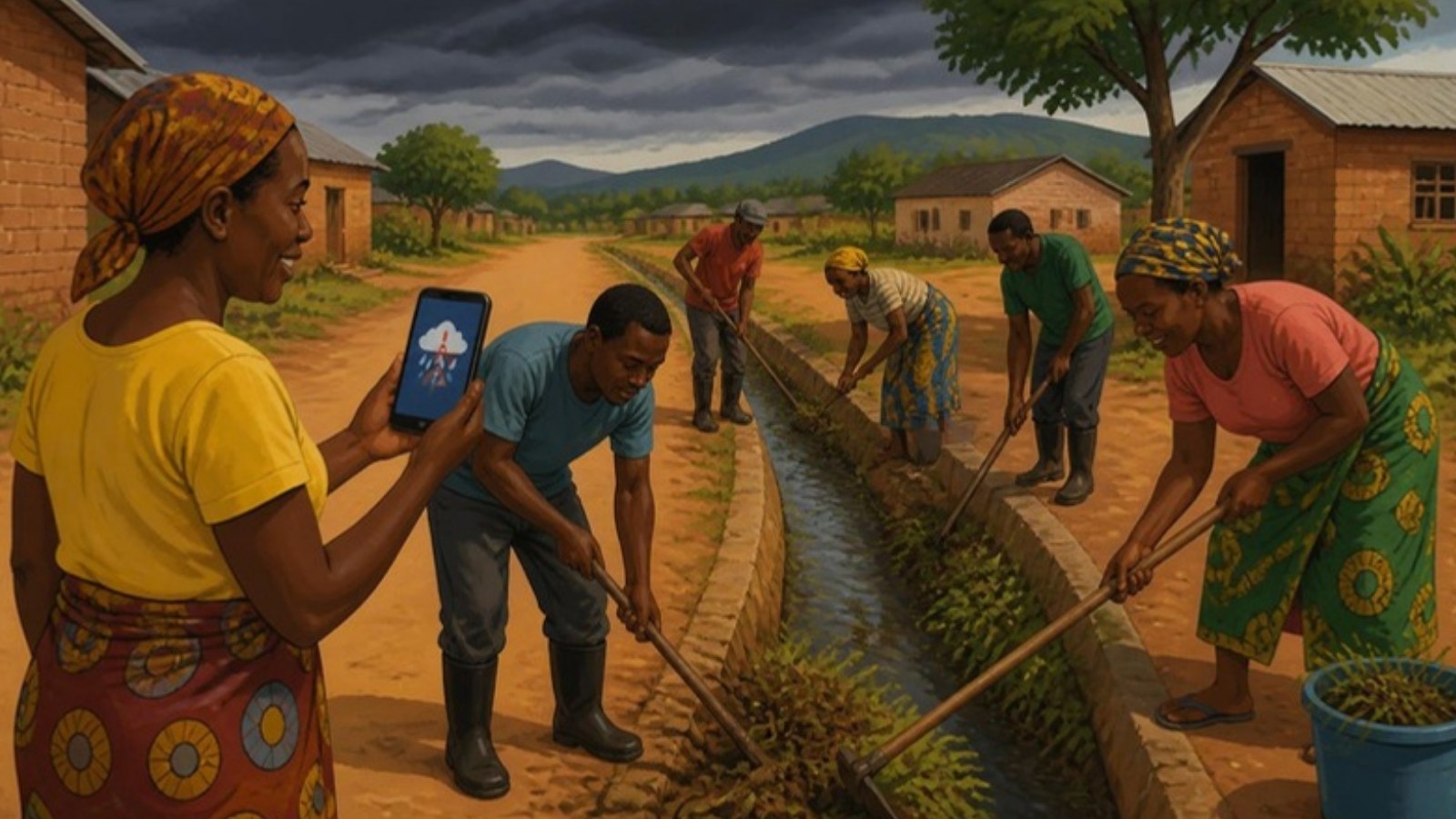
A worldwide survey finds every African region has improved its resilience score since 2023, more than any other part of the world. Warnings that reach people in time are the next task.
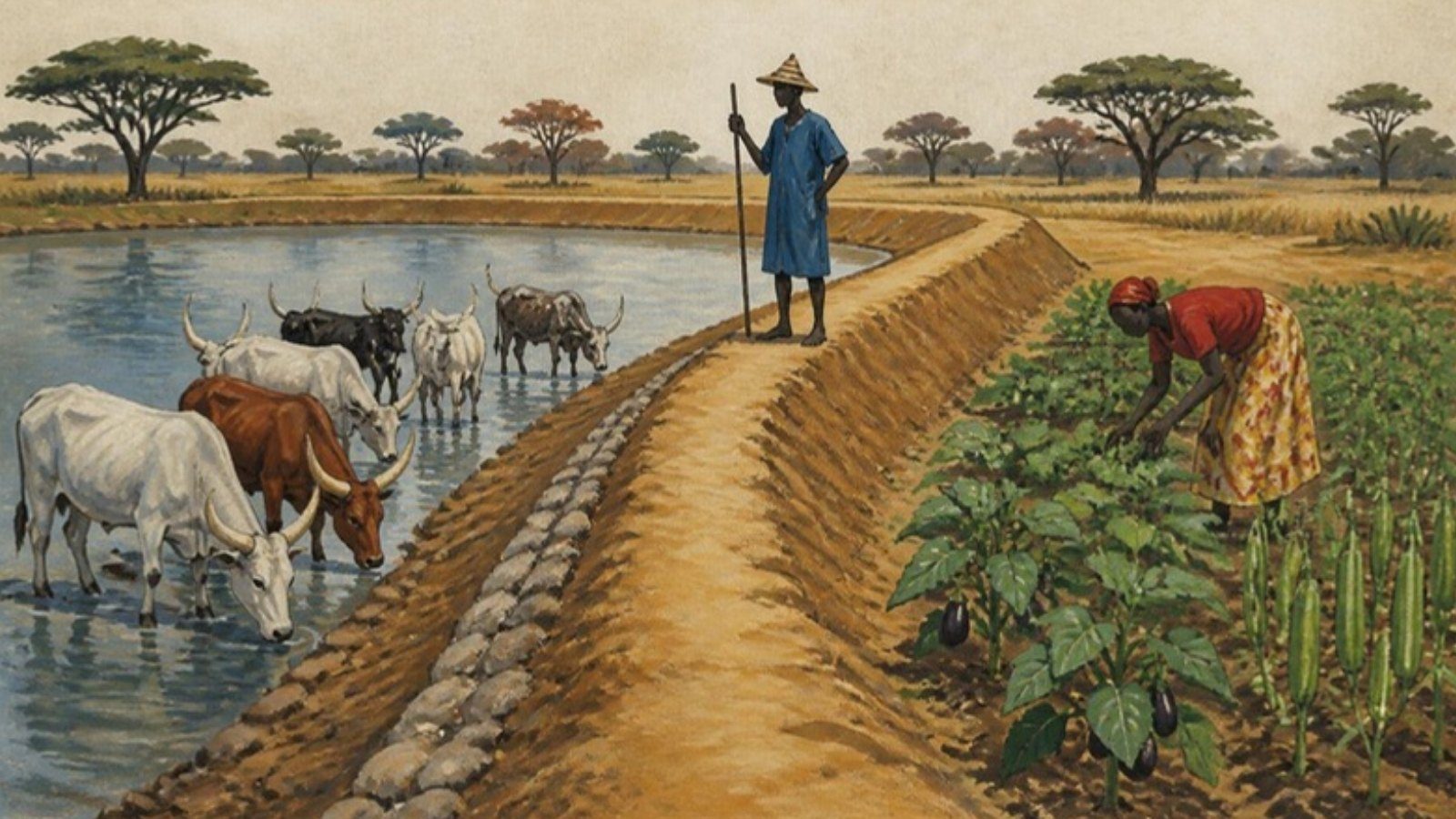
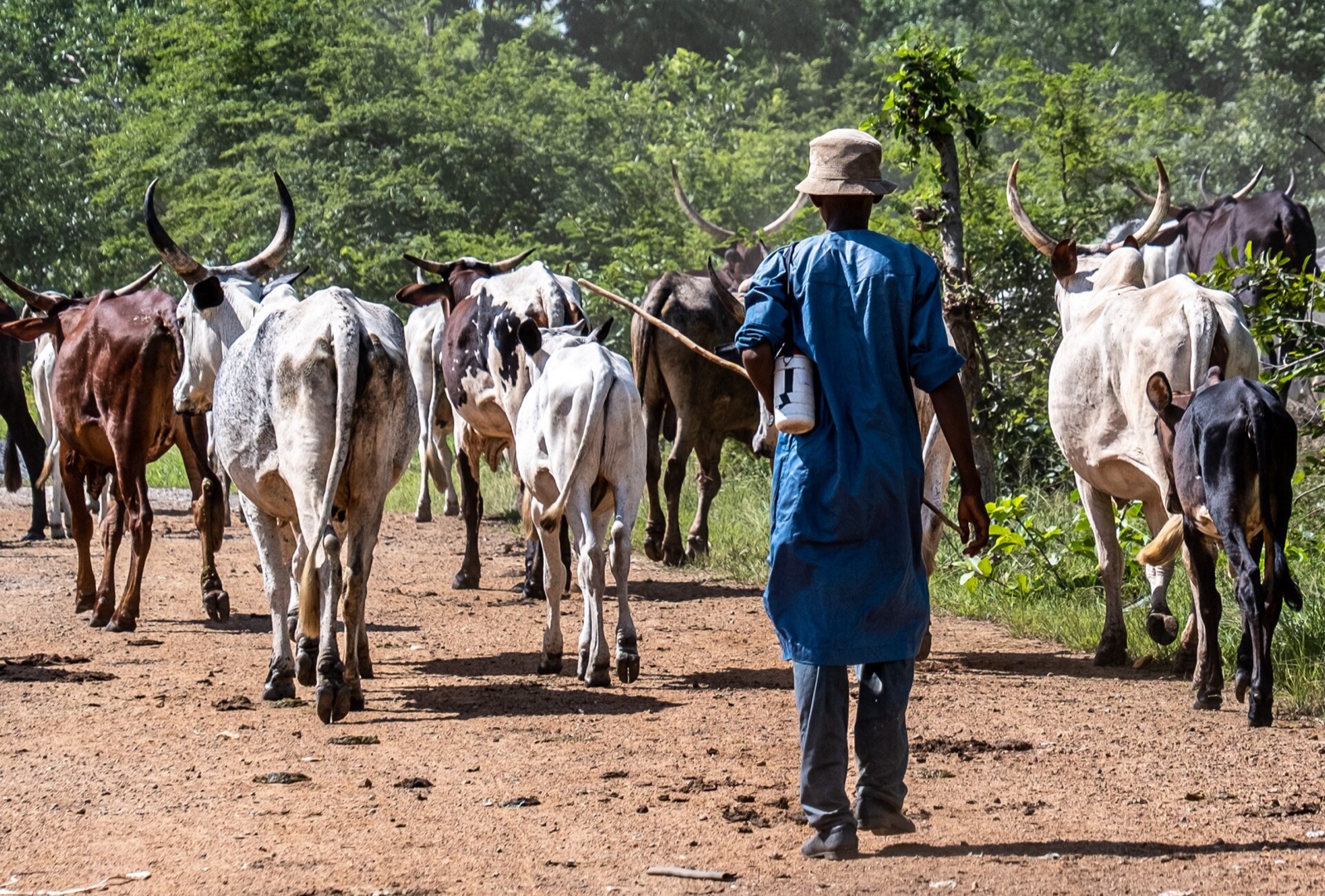
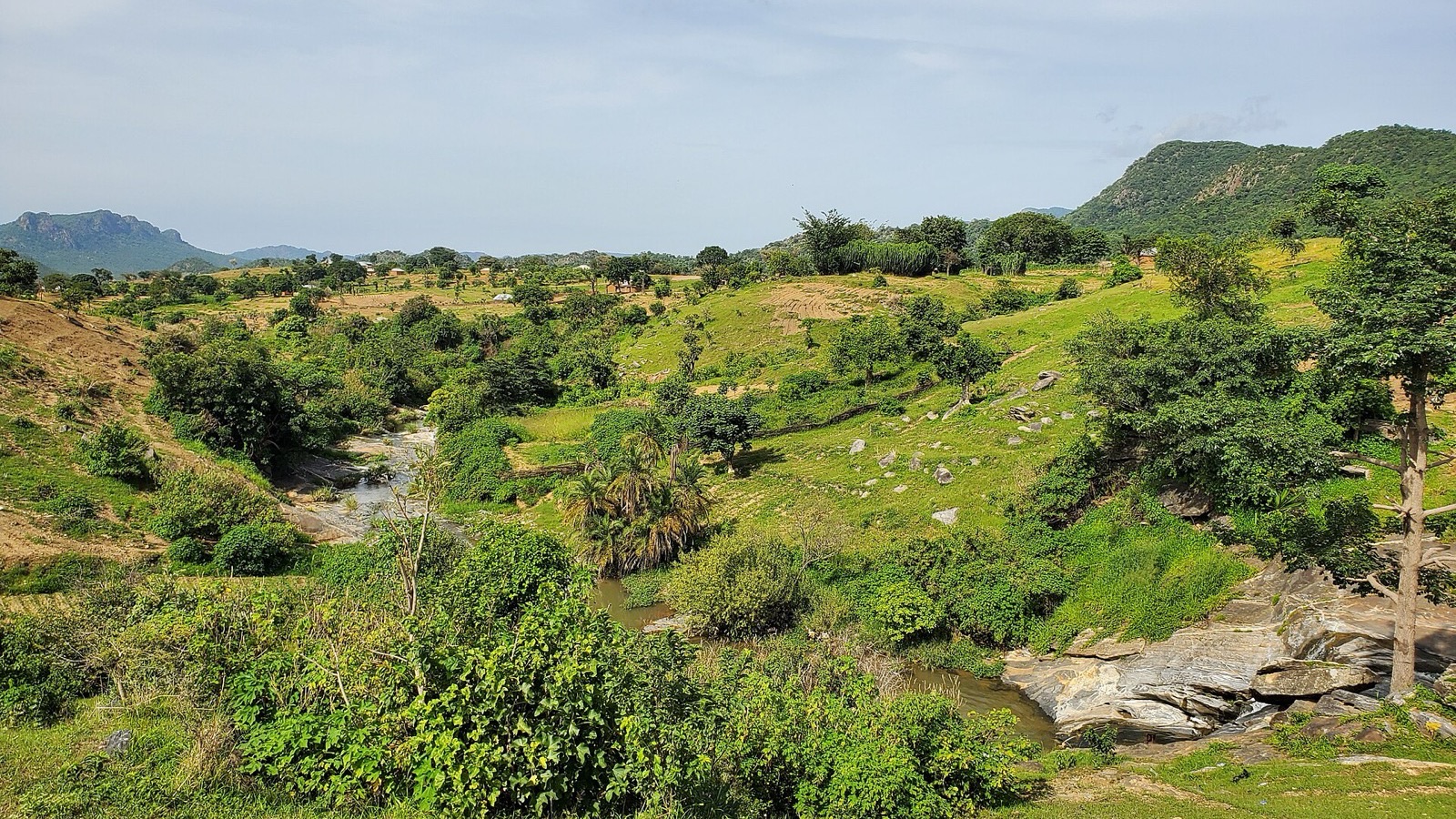
In Torla, in northern Côte d'Ivoire, a herder and his partner, a vegetable grower, used to compete for the same water. A rebuilt dam changed that.
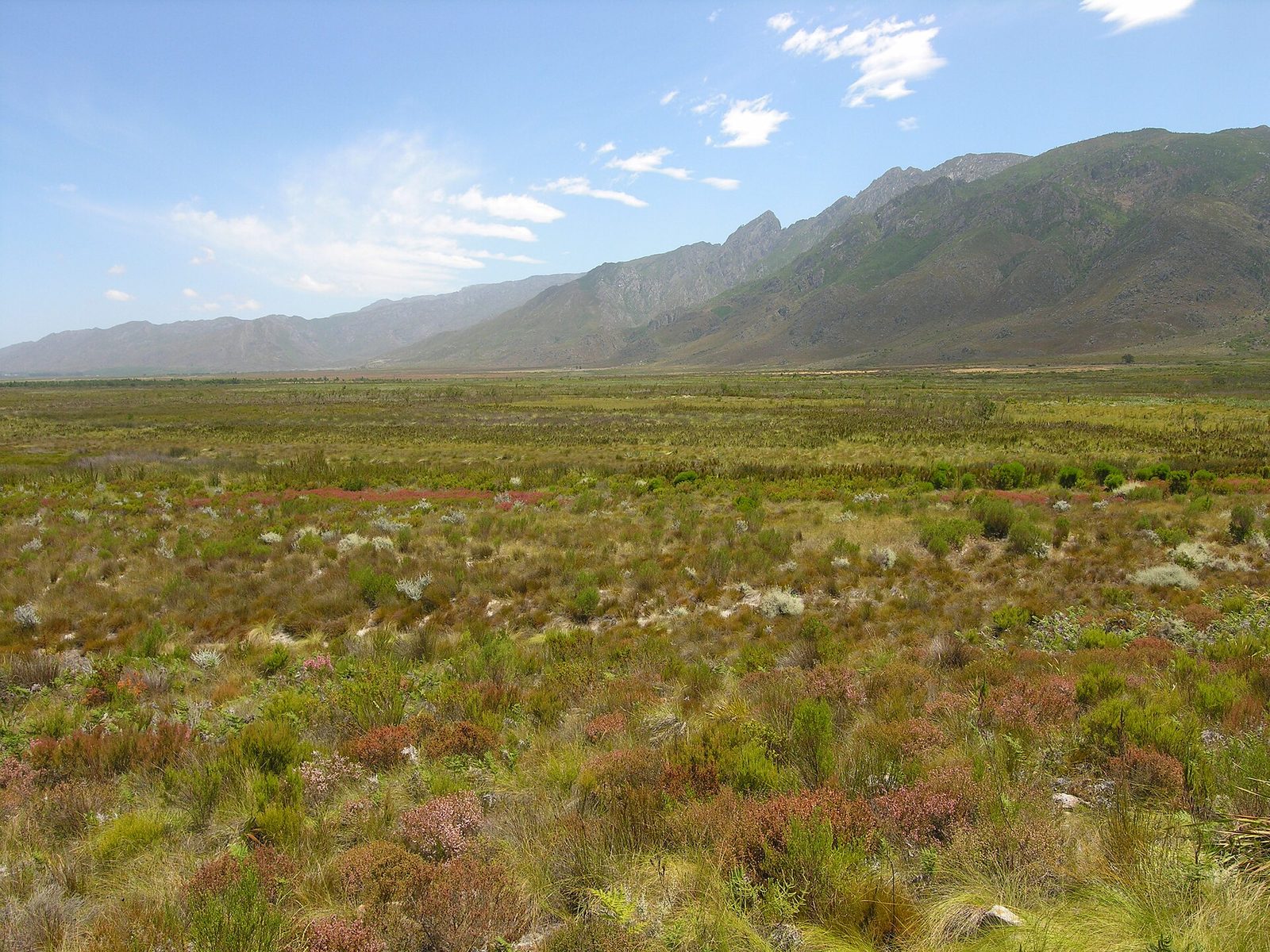
Nearly half the country's ecosystem types are threatened. Its delegation heads to Armenia arguing that poor countries should not borrow to protect wildlife.
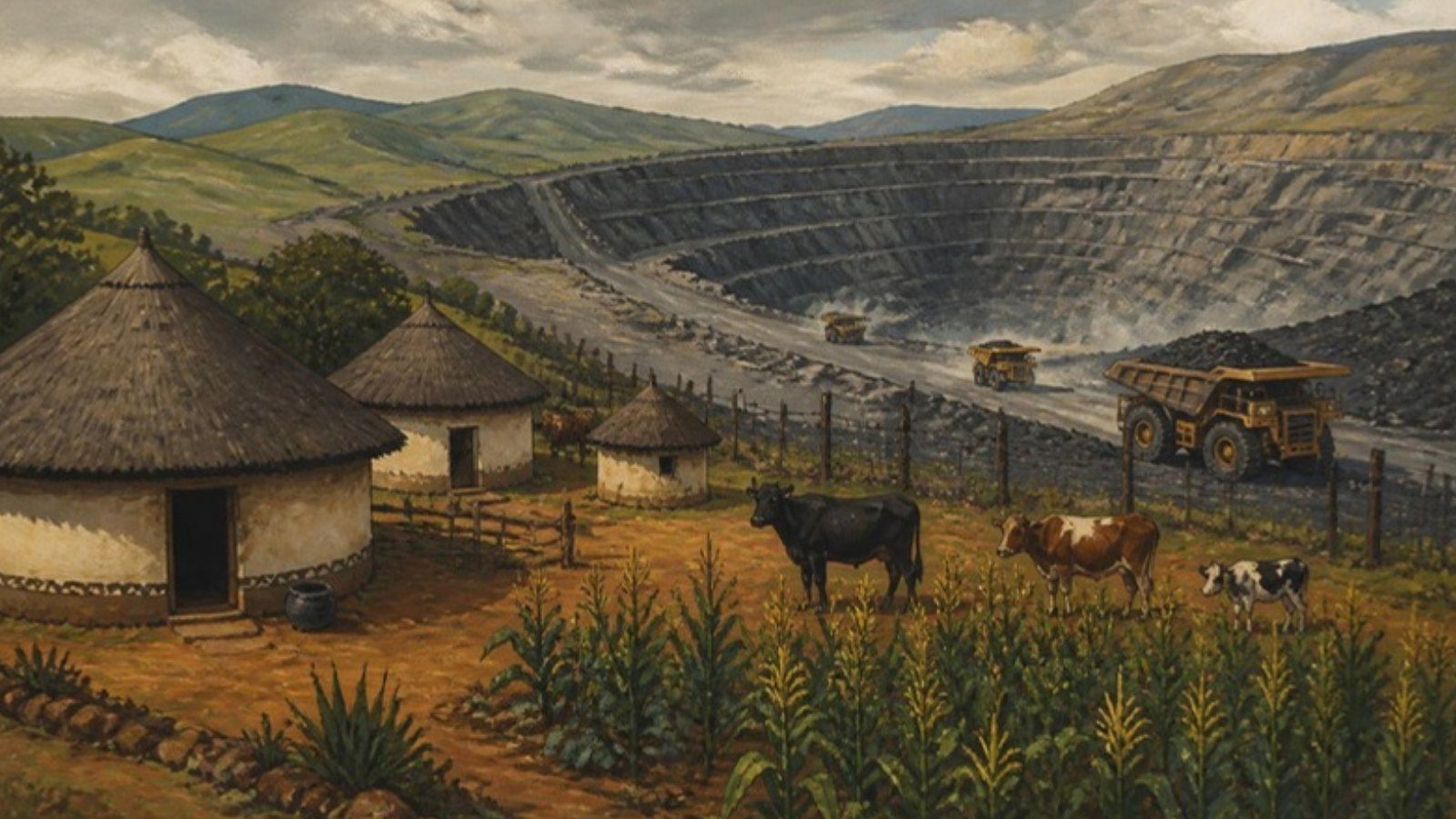
A study of 115 households near Somkhele, in KwaZulu-Natal, counts R80 million in lost land, crops and livestock against R3.6 million paid. The mine disputes the research.
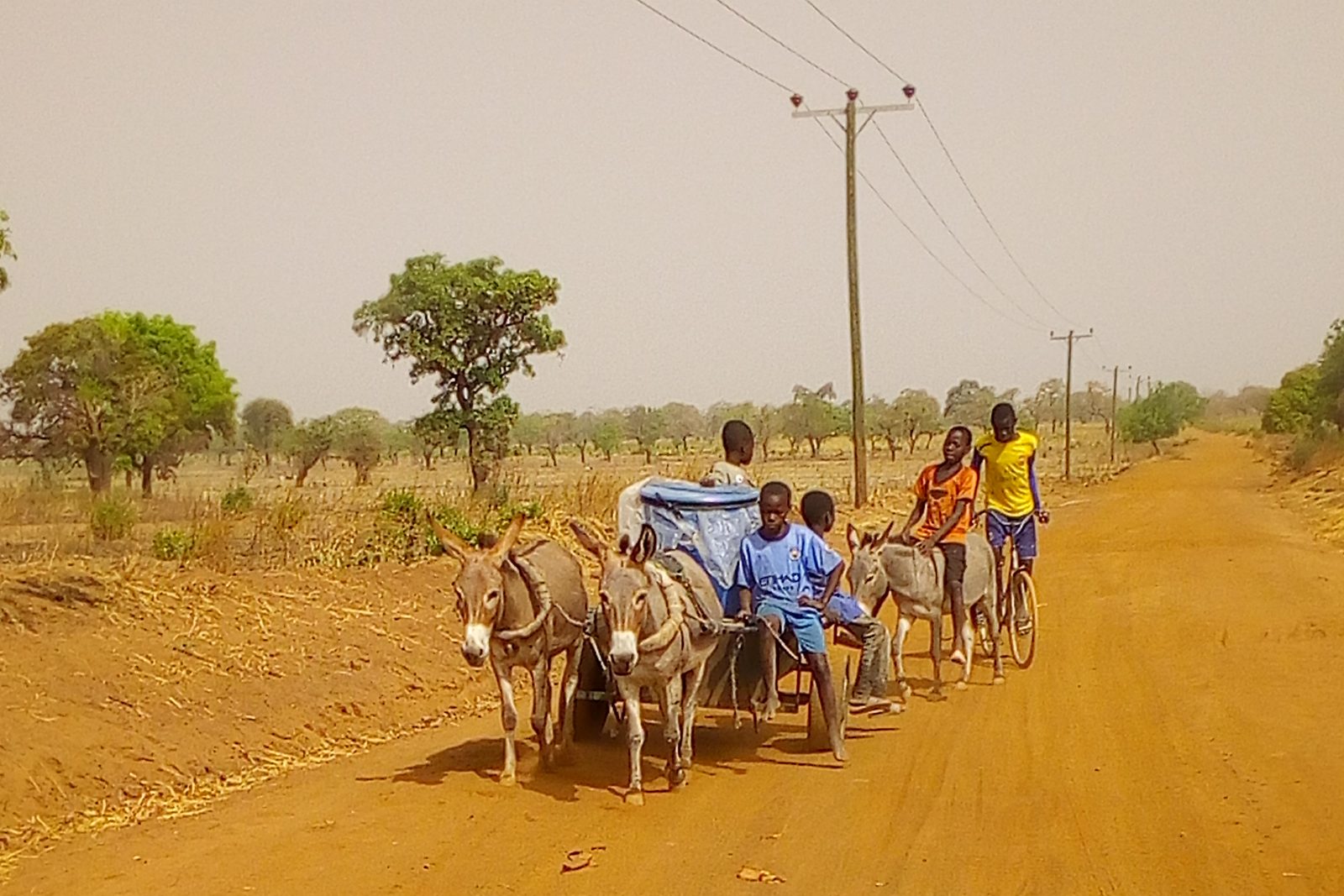
Ministers meeting in Lomé adopted three regional plans: to protect donkeys by 2030, and to control foot-and-mouth disease and bird flu from 2027.
Vets from across the region have adopted a shared online system for reporting outbreaks of diseases that cross borders with the herds.
The bloc will ask for adaptation money to be tripled by 2035 and for countries to draw directly on the loss and damage fund.
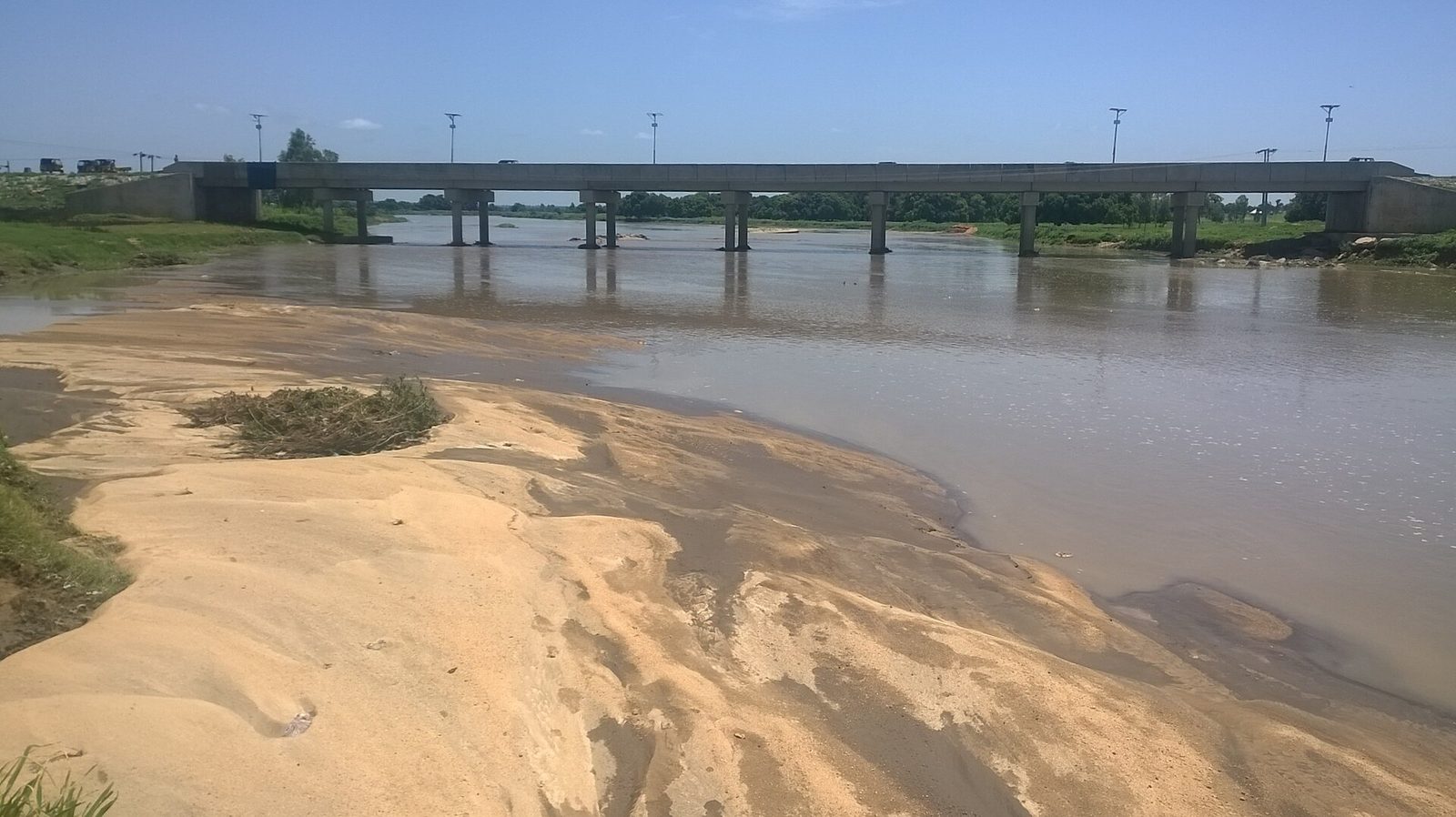
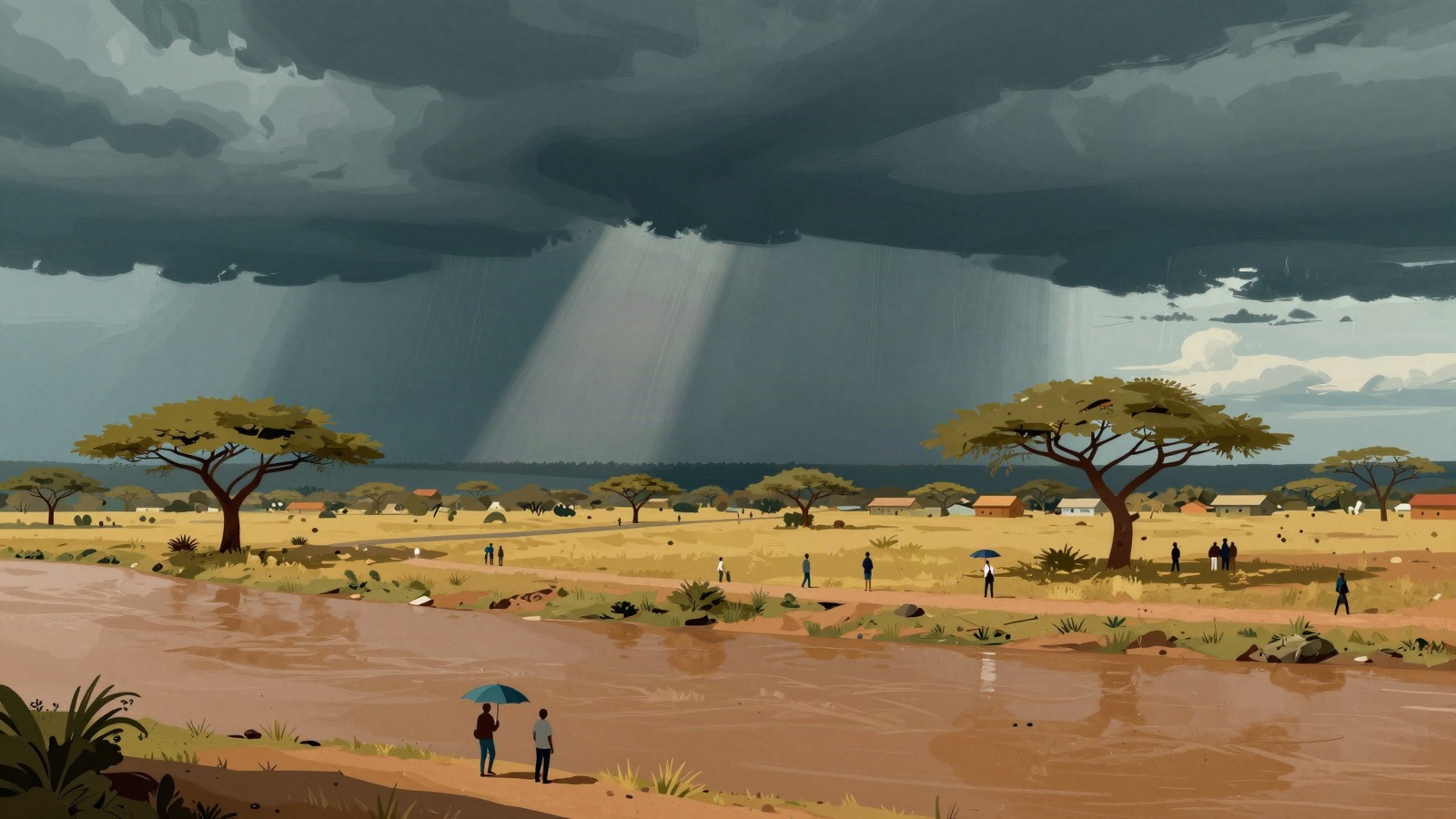
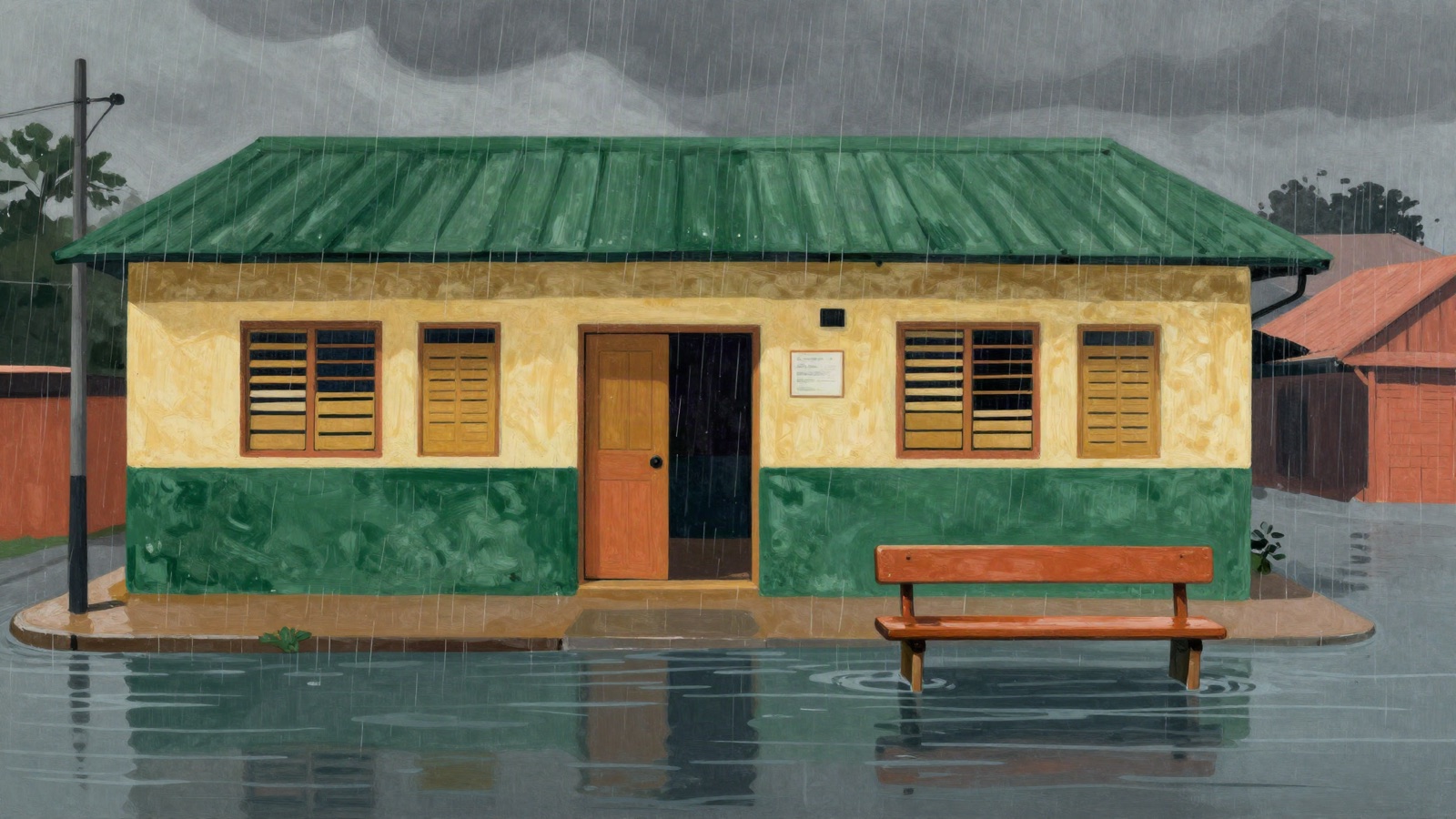
The state emergency agency reports damage in seven local government areas after prolonged heavy rain and is telling riverside communities to move.
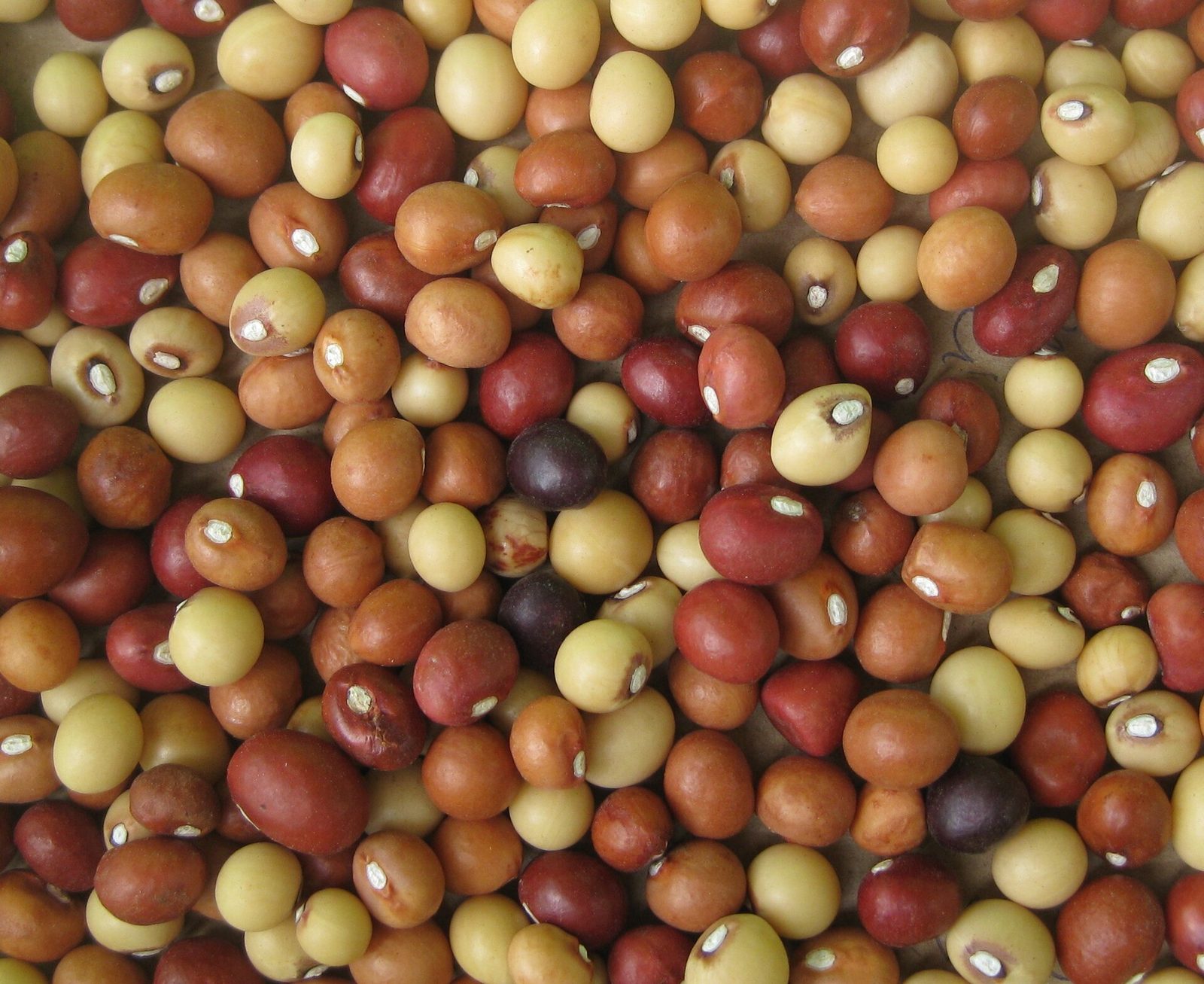
Researchers simulated 49 seasons across South Africa and Eswatini to find where bambara groundnut gives a reliable harvest. October planting came out best.
South Africa's Constitutional Court has upheld rules that make the wellbeing of wild animals part of how they are managed and used.
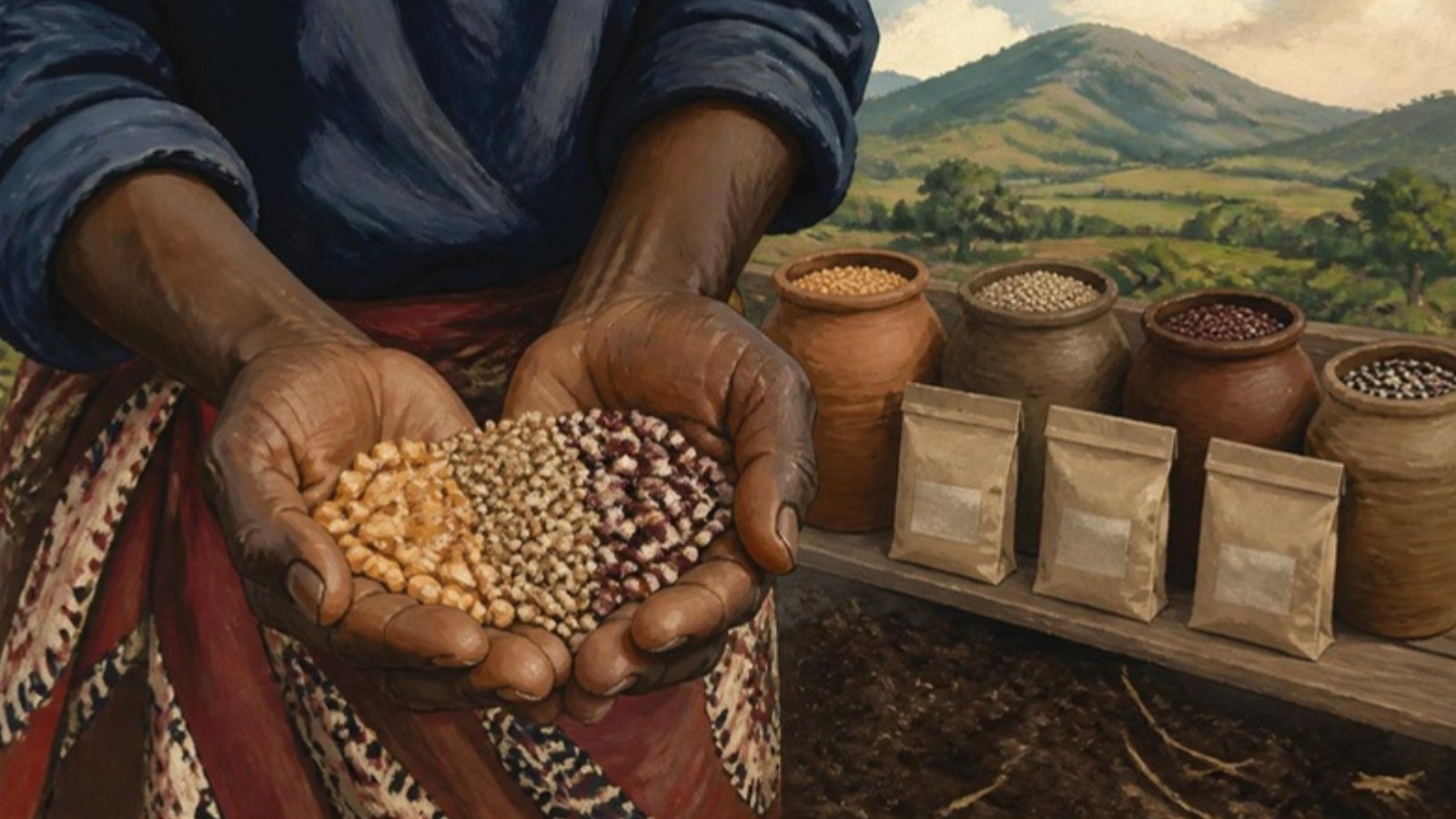
Governments meeting in Eswatini agreed to link national seed banks, breed climate-hardy varieties and make it easier to trade seed across borders.
Poachers now strip carcasses of anything that identifies them. In Entebbe, scientists use DNA to tell a court exactly which animal a piece of meat or tusk came from.
From South Africa's anchovy boats to fishmeal factories in Senegal, Gambia and Mauritania, an Outlaw Ocean Project report traces what farmed seafood costs the coasts that supply it.
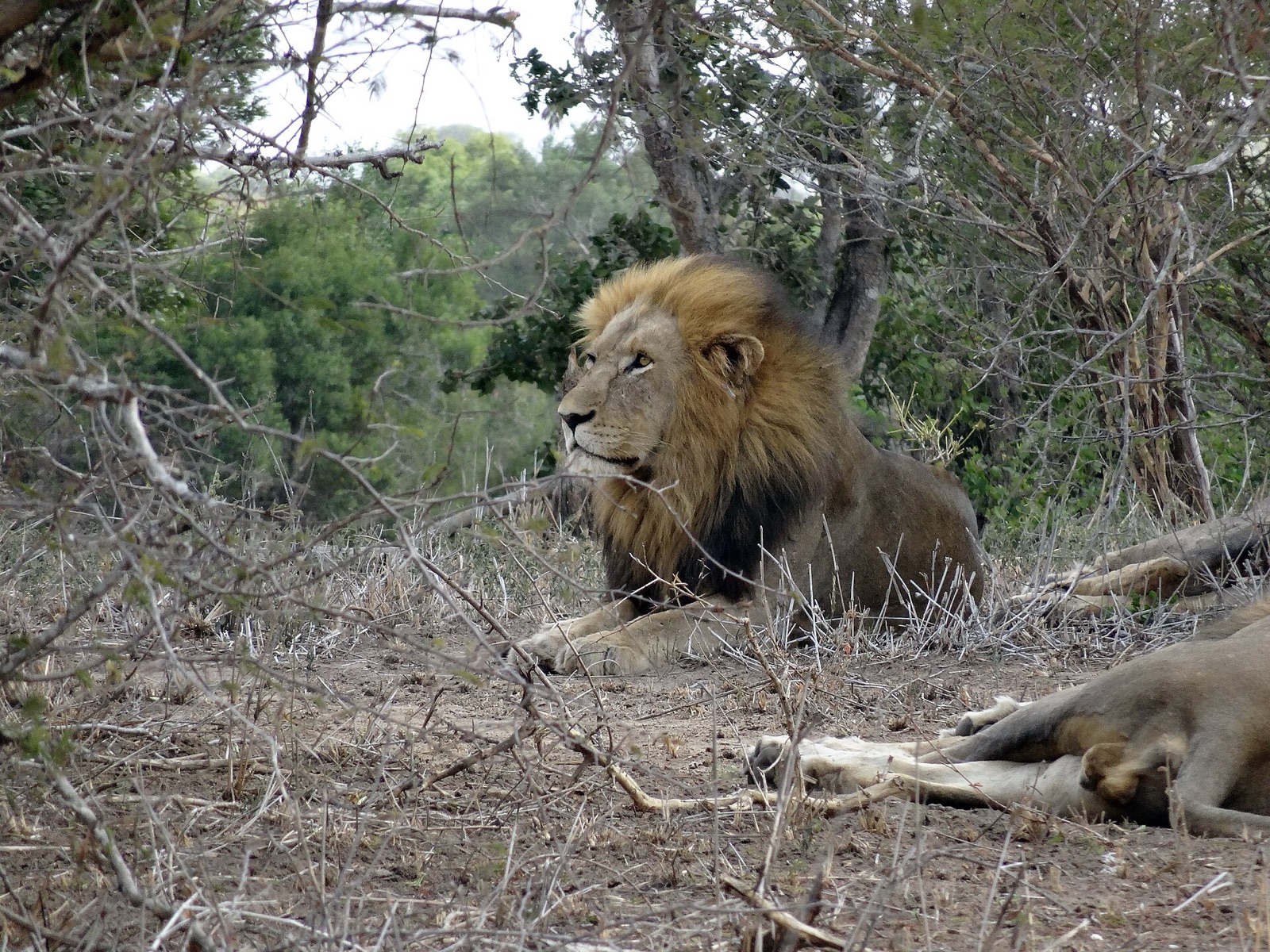
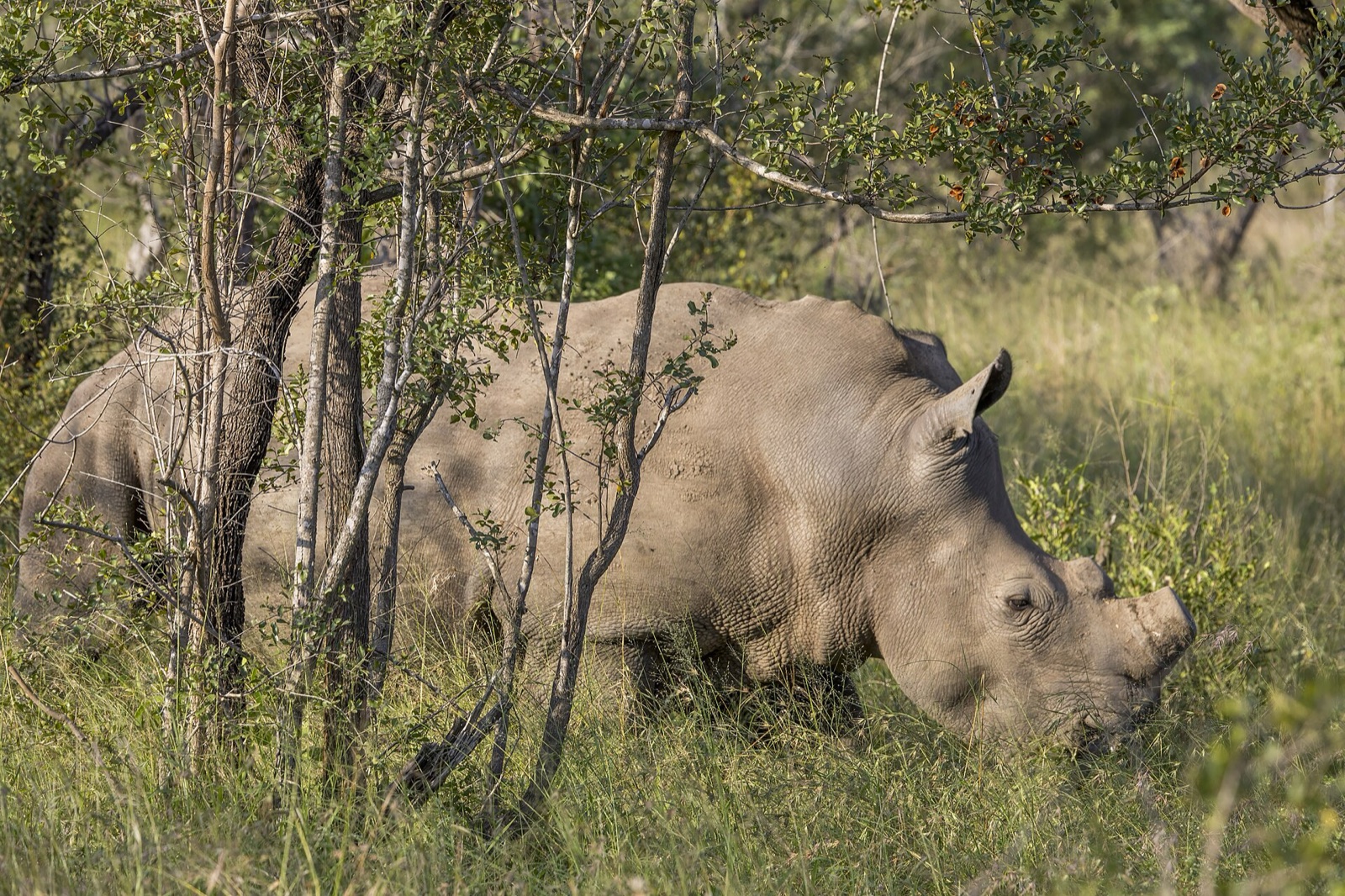
Rodney Landela was once seen as a future leader of the park's rangers. A court has found that he and a state veterinary technician shot a white rhino in 2016.
The ACReSAL programme, which restores degraded land in the semi-arid north, counts 4.4 million direct beneficiaries. Supporters want additional financing to extend it.
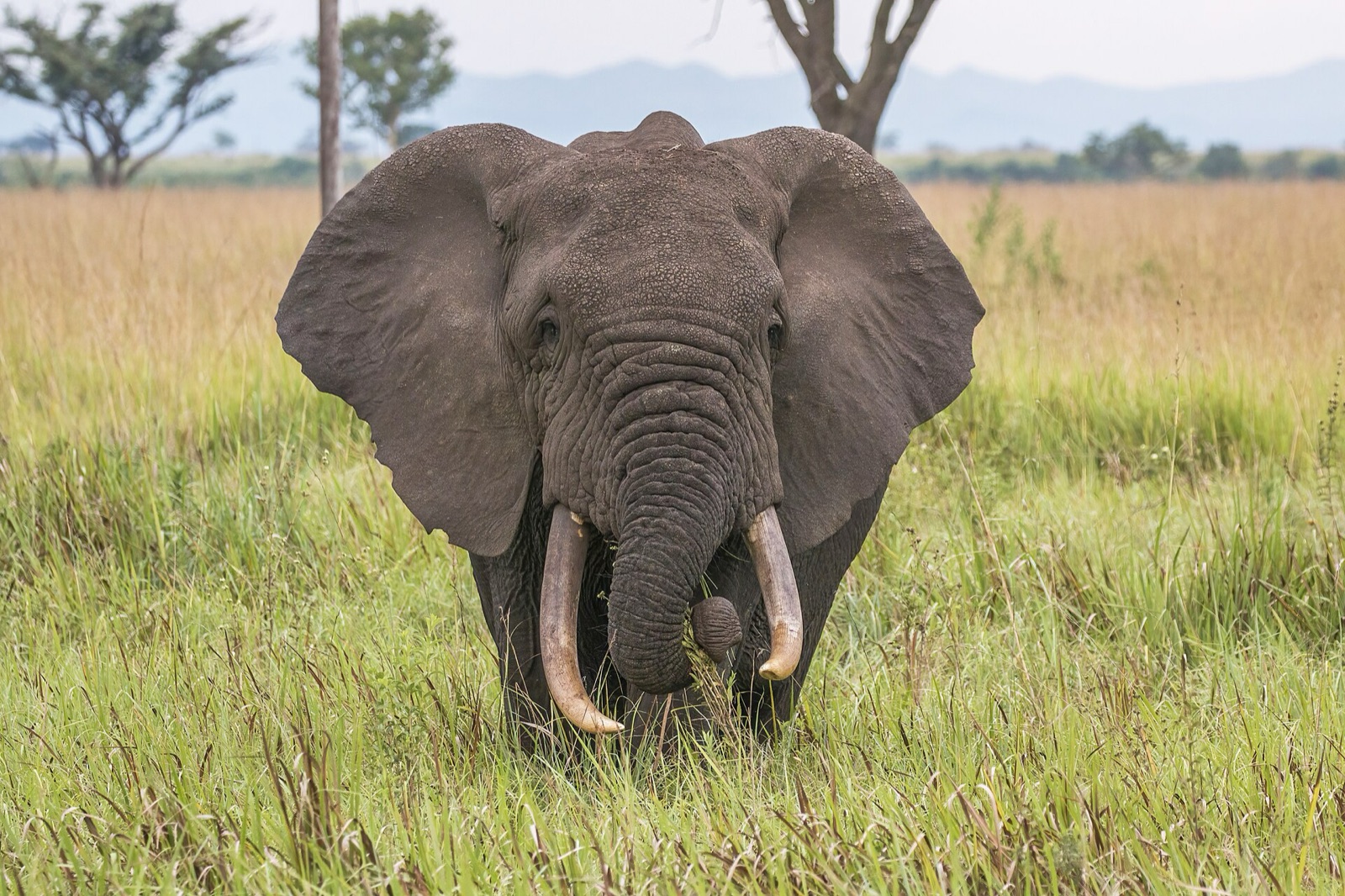
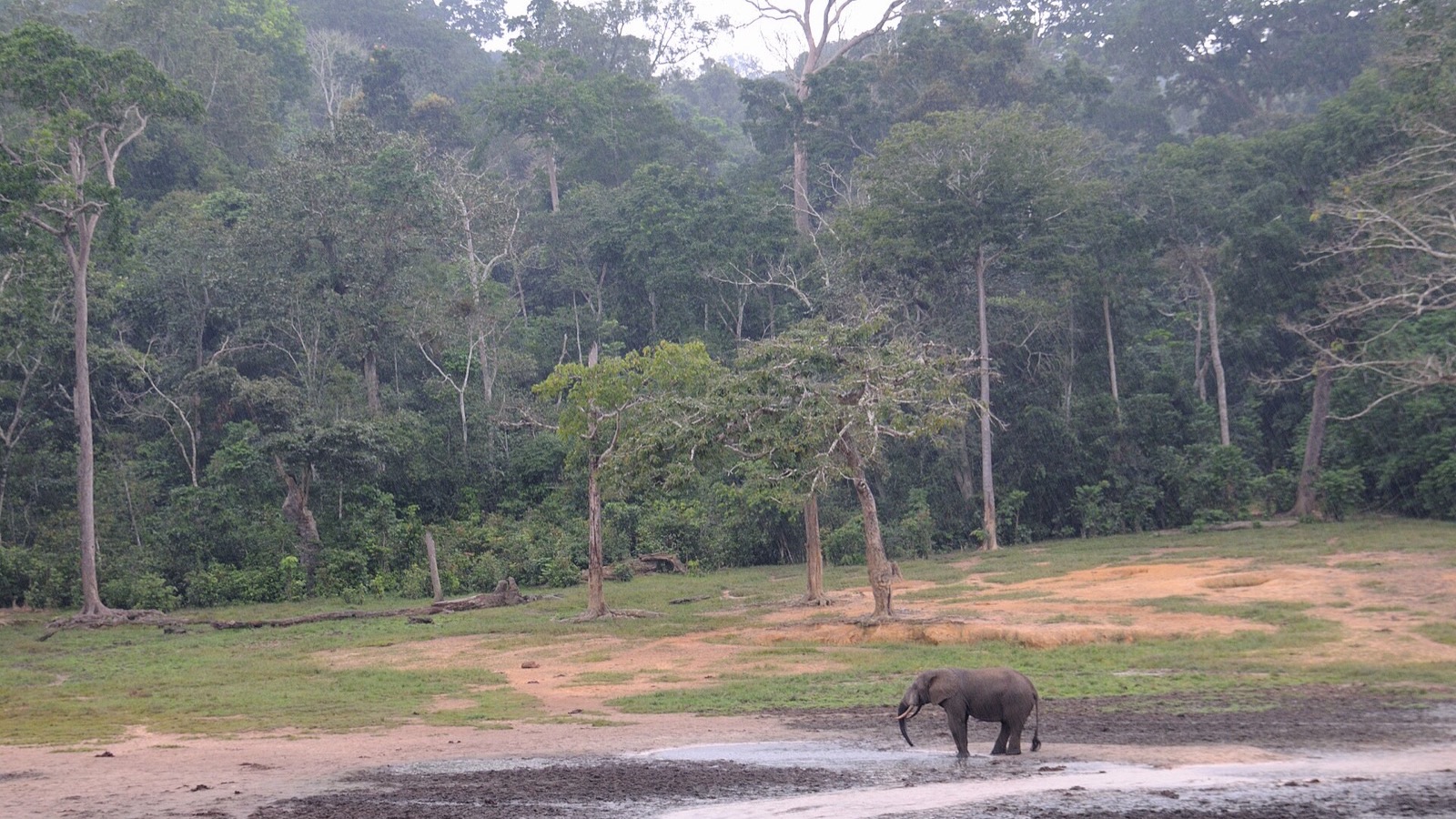
Forest elephants are down by more than 60%. The report says the world spends over thirty times more on activities that harm nature than on protecting it.
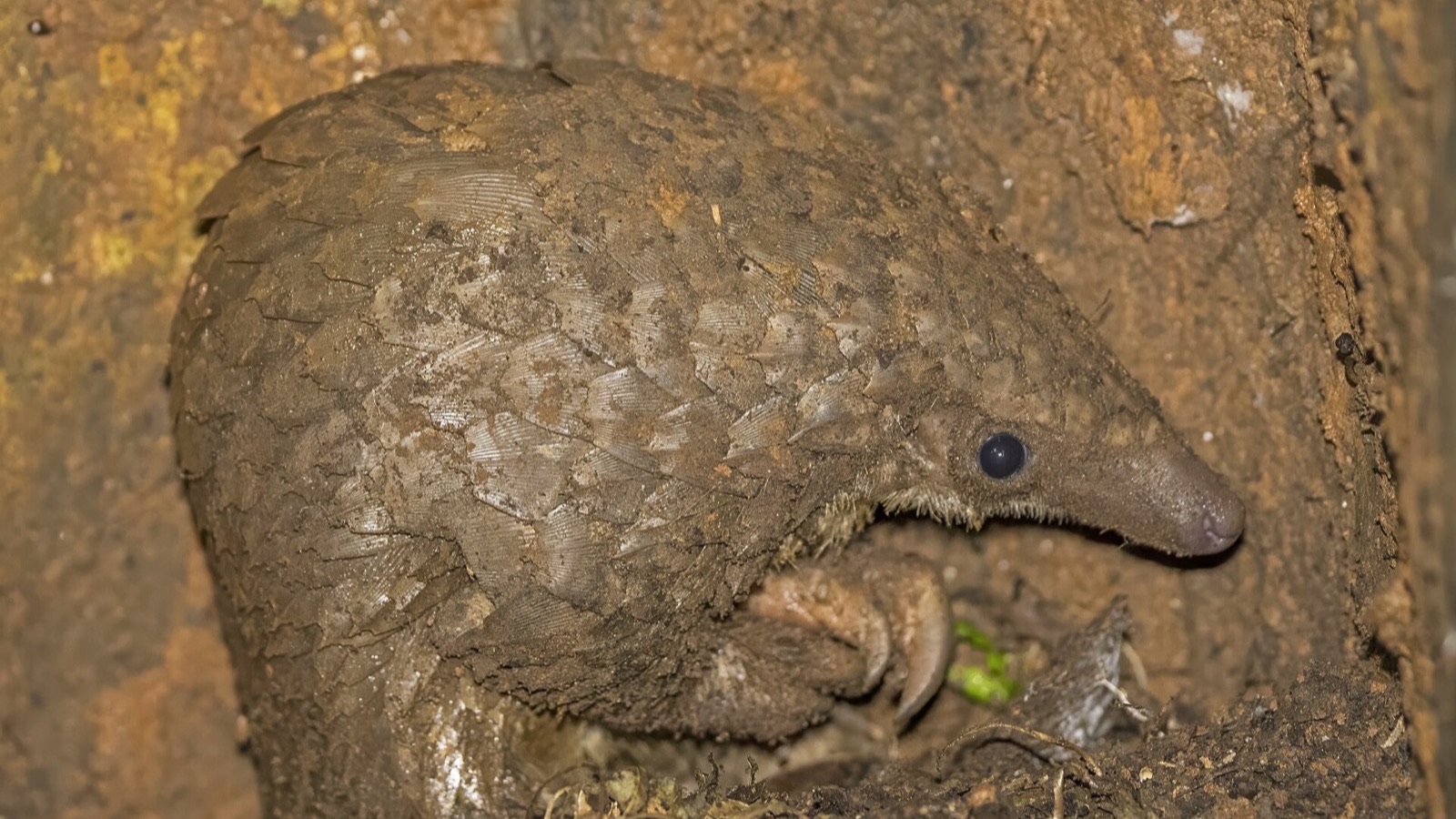
Officers found the animals caged and hidden in sacks at a waterside in Abeokuta. The suspects fled, and the pangolins have gone to a conservation group for release.
Under a sponsorship deal, clean electricity generated elsewhere will be delivered through South Africa's national grid. SANParks calls it a pilot that could extend to other parks.
The World Meteorological Organization expects wetter conditions across the Greater Horn of Africa and says the event is almost certain to last until February.
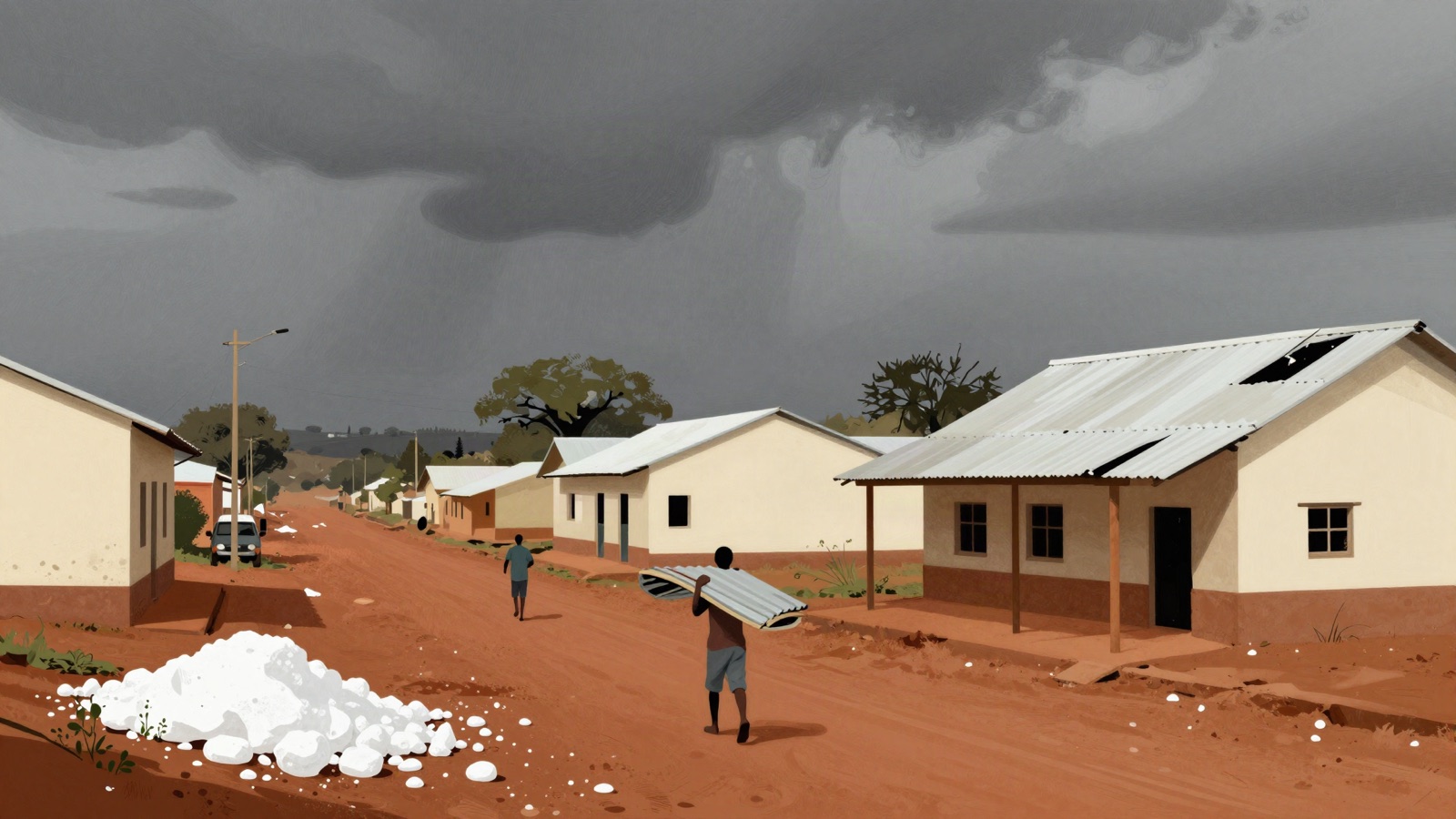
A university campus, a maternity ward, the airport and government offices were also damaged. Power cuts have knocked out water and sewage systems as the rains begin.
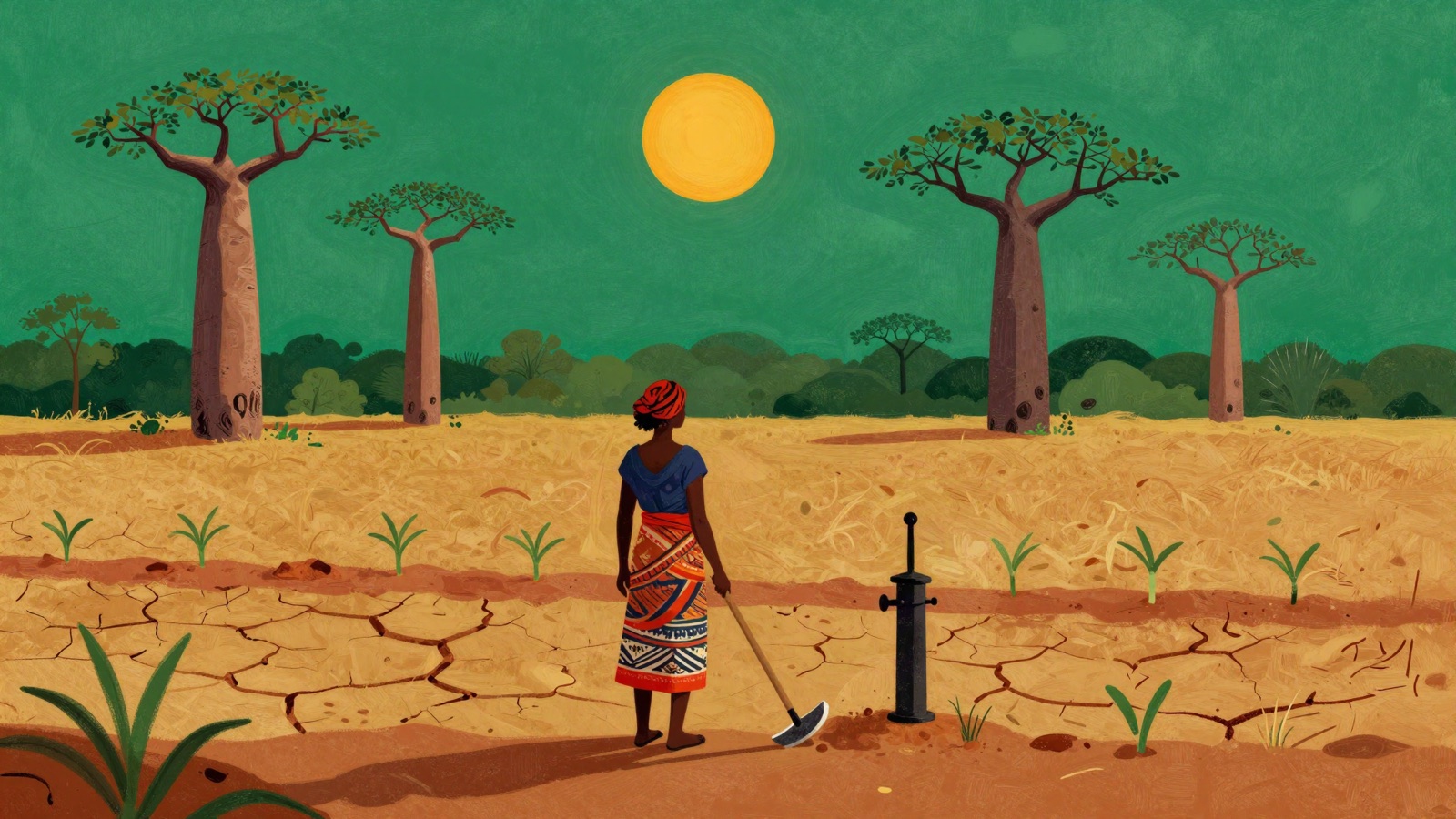
Farmers say the rains no longer arrive when they should. With parts of the south already hit by famine, aid agencies warn that drought could deepen hunger.
At least five people have died after four days of torrential rain. Schools will now open on 12 October, and more rain is forecast.
The Morning Brief
One email every weekday at sunrise: the stories that matter across Africa and the diaspora. See today’s Brief →
Follow on WhatsApp